
2010
In 2010, for the first time ever, most people lived in cities. A decade or so later the mass of all things made by humans - buildings, roads, and other infrastructure (technomass), outweighed the mass of all living things on earth (biomass). This level or urbanisation has never happened before.
+ 1,000,000 PER WEEK
Every single week since 2010, one million more people have moved into, or been born in a city than the week before. The human population has more than doubled in a generation and will peak at about 10bn mid-century. Everyone wanting access to clean water, light and power, to housing, education, jobs, and health. We’re living for longer, we’re travelling more, we’re consuming more than the planet can support.
8.33BN PEOPLE ALIVE TODAY

5BN IN CITIES
2010
In 2010, for the first time ever, most people lived in cities. A decade or so later the mass of all things made by humans - buildings, roads, and other infrastructure (technomass), outweighed the mass of all living things on earth (biomass). This level or urbanisation has never happened before.
+ 1,000,000 PER WEEK
Every single week since 2010, one million more people have moved into, or been born in a city than the week before. The human population has more than doubled in a generation and will peak at about 10bn mid-century. Everyone wanting access to clean water, light and power, to housing, education, jobs, and health. We’re living for longer, we’re travelling more, we’re consuming more than the planet can support.
8.33BN PEOPLE ALIVE TODAY

5BN IN CITIES
CITIES COVER JUST
3%
OF THE EARTH’S SURFACE

YET CREATE
80%
OF THE WORLDS ECONOMY
YET CREATE
80%
OF THE WORLDS ECONOMY

THIS IS OUR SHARED STORY
2010
In 2010, for the first time ever, most people lived in cities. A decade or so later the mass of all things made by humans - ships, buildings, roads, and other infrastructure (technomass), outweighed the mass of all living things on earth (biomass). This level or urbanisation has never happened before.
SCROLL TO READ OUR STORY
+ 1,000,000 PER WEEK
Every single week since 2010, one million more people have been born in, or moved into a city, than the week before.The human population has more than doubled in a generation and will peak at about 10bn mid-century.Everyone wants access to clean water, light, power,housing, education, jobs, and health. We’re living for longer, travelling more, consuming more than the planet can support.
Smart City techology, Digital Twins and AI is making better buildings, better infrastructure, better transport and energy systems. But something is getting out of kilter. Datacentres will use as much energy as Japan by 2030, mostly thanks to the growth in AI.

DATACENTRES WILL USE AS MUCH ENERGY AS JAPAN BY 2030, MOSTLY THANKS TO THE GROWTH IN AI.

ON ITS CURRENT PATH, THE GREAT ACCELERATION OF THE LAST 200 YEARS IS UNSUSTAINABLE.
THE BALANCE BETWEEN CITIES, TECH AND NATURAL ECOSYSTEMS IS GETTING OUT OF SHAPE.

Some leaders and investors are supporting restorative and regenerative place-based practices, bringing life back into our countryside and streets.

5BN IN CITIES
8.3BN PEOPLE ALIVE TODAY
CITIES COVER JUST
3%
OF THE EARTH’S SURFACE

YET CREATE
80%
OF THE WORLDS ECONOMY

AND EMIT
70%
OF THE WORLD’S GREENHOUSE GASES

ENERGY
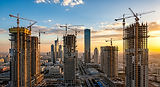
STRUCTURE

NETWORKS

RESILIENCE

HOMES
CITIES COVER JUST
3%
OF THE EARTH’S SURFACE

BUT THE BIG BUCKS GO INTO ACCELERATING TECH INNOVATION BECAUSE NATURE DOESNT PAY, UNTIL IT IS KILLED.


Just as plants photosynthesised and fungi organically spread across land securing itself in the soil it created, AIs are creating structure and resilience, connecting in and through digital networks.
AIs are creating structure and resilience, connecting in and through digital networks. Just as insects and animals live off plants, waste products and each other, robots, drones and autonomous systems are feeding off massive datacentre factories consuming Gigawatts of power.

YET CREATE
80%
OF THE WORLD’S ECONOMY

AND
70%
OF THE WORLD’S GREENHOUSE GASES

CITIES

TECH
NATURE

ENERGY

STRUCTURE

NETWORKS

RESILIENCE
HOMES
EMERGING EVERYWHERE.
Smart City techology, Digital Twins and AI is making better buildings, better infrastructure, better transport and energy systems. But something is getting out of kilter. Datacentres will use as much energy as Japan by 2030, mostly thanks to the growth in AI.
Smart City techology, Digital Twins and AI is making better buildings, better infrastructure, better transport and energy systems. But something is getting out of kilter. Datacentres will use as much energy as Japan by 2030, mostly thanks to the growth in AI.
Smart City techology, Digital Twins and AI is making better buildings, better infrastructure, better transport and energy systems. But something is getting out of kilter. Datacentres will use as much energy as Japan by 2030, mostly thanks to the growth in AI.

DATACENTRES WILL USE AS MUCH ENERGY AS JAPAN BY 2030, MOSTLY THANKS TO THE GROWTH IN AI.

EMERGING EVERYWHERE.

Smart City techology, Digital Twins and AI is making better buildings, better infrastructure, better transport and energy systems. But something is getting out of kilter. Datacentres will use as much energy as Japan by 2030, mostly thanks to the growth in AI.
DATACENTRES WILL USE AS MUCH ENERGY AS JAPAN BY 2030, MOSTLY THANKS TO THE GROWTH IN AI.

ON ITS CURRENT PATH, THE GREAT ACCELERATION OF THE LAST 200 YEARS IS UNSUSTAINABLE.

THE BALANCE BETWEEN CITIES, TECH AND NATURAL ECOSYSTEMS IS GETTING OUT OF SHAPE.
THE BALANCE BETWEEN CITIES, TECH AND NATURAL ECOSYSTEMS IS GETTING OUT OF SHAPE.

Some leaders and investors are supporting restorative and regenerative place-based practices, bringing life back into our countryside and streets.
BUT THE BIG BUCKS GO INTO ACCELERATING TECH INNOVATION BECAUSE NATURE DOESN'T PAY, UNTIL IT IS KILLED.

BUT THE BIG BUCKS GO INTO ACCELERATING TECH INNOVATION BECAUSE NATURE DOESN'T PAY, UNTIL IT IS KILLED.

JUST AS PLANTS PHOTOSYNTHESISED AND FUNGI ORGANICALLY SPREAD ACROSS LAND SECURING ITSELF IN THE SOIL IT CREATED, AIS ARE CREATING STRUCTURE AND RESILIENCE, CONNECTING IN AND THROUGH DIGITAL NETWORKS.
AIs are creating structure and resilience, connecting in and through digital networks. Just as insects and animals live off plants’ waste products and each other, robots, drones and autonomous systems are feeding off massive datacentre factories consuming Gigawatts of power.
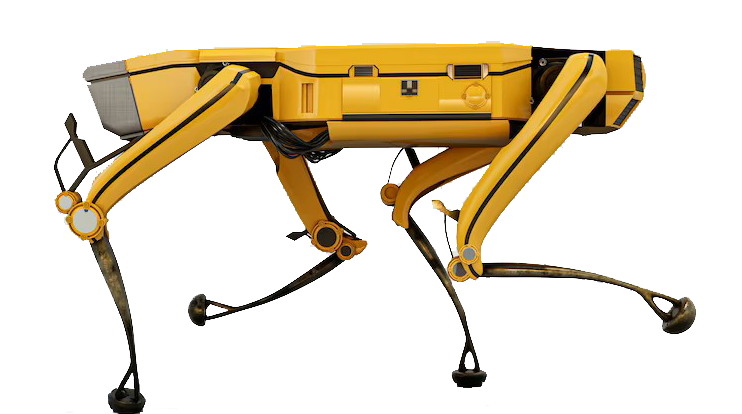


CITIES
TECH
NATURE

Just as plants photosynthesised and fungi organically spread across land securing itself in the soil it created, AIs are creating structure and resilience, connecting in and through digital networks.
JUST AS PLANTS PHOTOSYNTHESIZE AND FUNGI SPREAD ACROSS THE LAND IN THE SOIL IT CREATES, AIS ARE CREATING COMPARABLE STRUCTURE AND RESILIENCE, CONNECTING IN AND THROUGH DIGITAL NETWORKS.
Just as insects and animals live off plants’ waste products and each other, robots, drones and autonomous systems are feeding off massive datacentre factories consuming Gigawatts of power.

WE NEED SUSTAINABLE SYNERGIES
They speak different languages, work at different speeds, have different appetites and ambitions, but city managers, tech-company leaders and nature champions are learning to collaborate, for their success, for our future.
GROUNDED-THINKING BRINGS THESE PEOPLE TOGETHER TO CREATE THE COMMUNITIES OF THE FUTURE. FIND OUT MORE IN WORK.

CITIES
TECH
NATURE
WE NEED SUSTAINABLE SYNERGIES
CITIES, TECH & NATURE SPEAK DIFFERENT LANGUAGES, WORK AT DIFFERENT SPEEDS, HAVE DIFFERENT APPETITES AND AMBITIONS, BUT CITY MANAGERS, TECH-COMPANY LEADERS AND NATURE CHAMPIONS ARE LEARNING TO COLLABORATE, FOR THEIR SUCCESS, FOR OUR FUTURE.
Add a Title
GROUNDED-THINKING BRINGS THESE PEOPLE TOGETHER. FIND OUT MORE IN WORK.